

Tarangire National Park
Giant baobabs, the Tarangire River and some of the largest elephant herds in northern Tanzania.
- Size
- About 2,850 km²
- Best time
- June–October
- Known for
- Elephants & baobab trees
- From Arusha
- About 2 hours by road
Discover Tarangire National Park
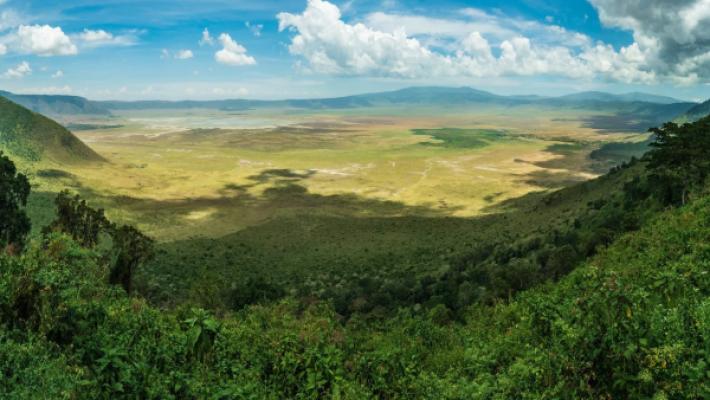
Tarangire National Park is one of northern Tanzania's most underrated safari destinations. Named after the Tarangire River that runs through it, the park is a landscape of ancient baobab trees, open savannah, acacia woodland and seasonal swamps. In the dry season, when water elsewhere disappears, the river becomes a lifeline, and wildlife pours into the park from the surrounding plains, including some of the largest elephant herds in northern Tanzania.
Wildlife and Birdlife
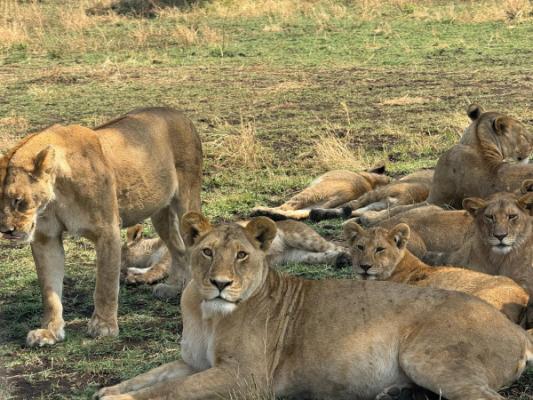
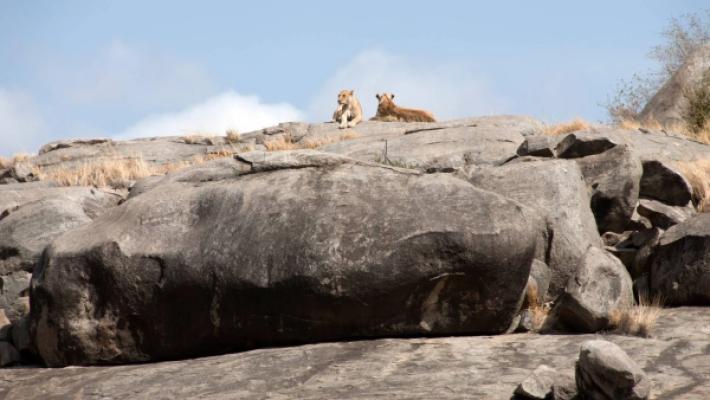
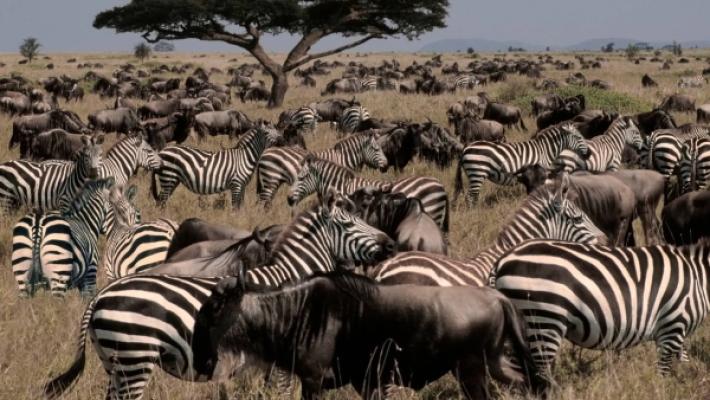
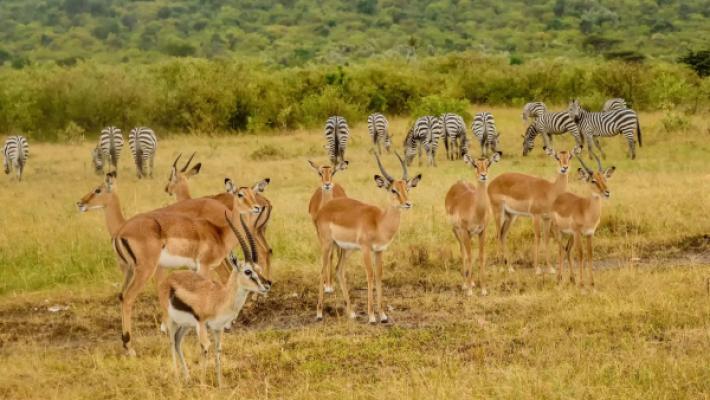
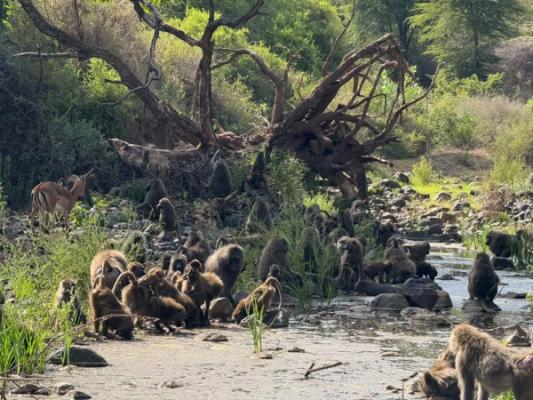
Elephants are the stars of Tarangire, sometimes gathering in herds of several hundred along the riverbanks. The park is also home to lions, leopards, cheetahs, buffalo, giraffes, zebra, wildebeest, impala and the less common fringe-eared oryx and lesser kudu. With more than 500 bird species recorded, including large numbers of migrants in the wet season, Tarangire is also a paradise for birdwatchers.
When to Visit
The best time to visit is the dry season from June to October, when animals concentrate around the river and game viewing is at its best. From November to May the park is green and quieter, with many animals dispersing, but it is excellent for birds and beautiful scenery.
Getting There
Tarangire is about a two-hour drive from Arusha on a good tarmac road, which makes it the perfect first stop on a northern circuit safari, before continuing to Lake Manyara, the Ngorongoro Crater and the Serengeti.
Where It Is
Tarangire National Park on the Map
Why Go
Highlights of Tarangire National Park
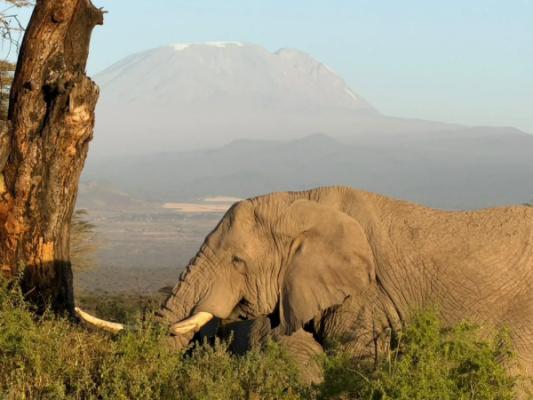
Great elephant herdsSome of northern Tanzania's largest elephant gatherings along the Tarangire River.
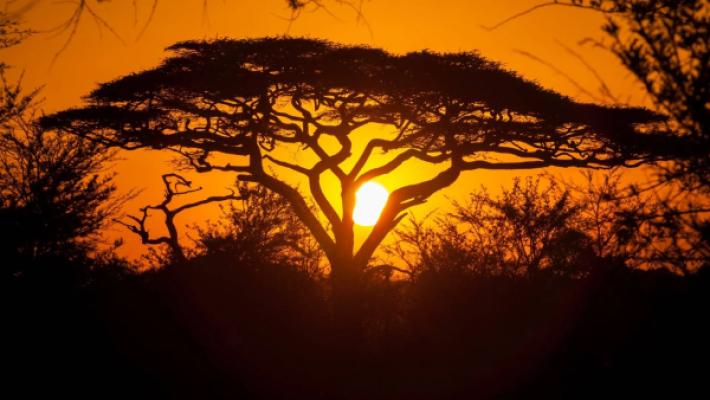
Ancient baobabsIconic baobab trees, some many centuries old, scattered across the savannah.
The Tarangire RiverThe park's lifeline, drawing wildlife from far and wide in the dry season.
BirdwatchingMore than 500 recorded species, from ostriches to kingfishers and raptors.
Rare antelopeFringe-eared oryx and lesser kudu, rarely seen elsewhere on the northern circuit.
Easy accessJust two hours from Arusha, ideal for the start of a safari.
Signature Journeys
Tarangire National Park Safaris
Where to Stay
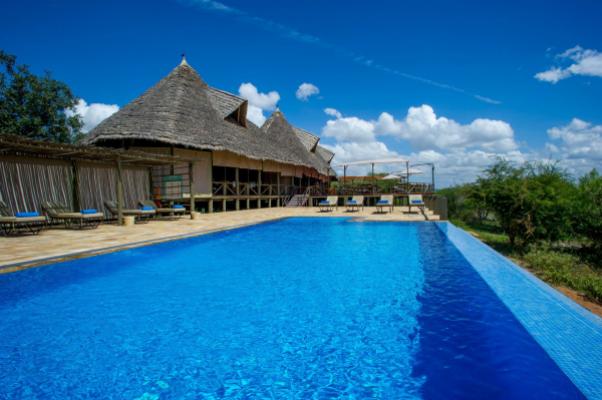
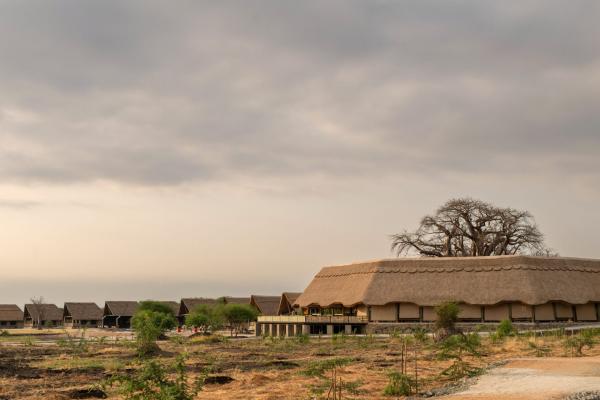
Lodges & Camps in Tarangire National Park
Good to Know
Tarangire National Park FAQs
When is the best time to visit Tarangire National Park? +
The dry season, from June to October, is the best time, as wildlife gathers around the Tarangire River and elephant herds are at their largest. November to May is greener and ideal for birdwatching.
How many days should I spend in Tarangire? +
One to two nights is ideal. A single full day gives you a good introduction, while two nights allow for relaxed game drives and a visit to the quieter southern parts of the park.
Is Tarangire worth visiting? +
Yes. It is often a highlight of our guests' trips, thanks to its huge elephant herds, baobab-studded landscapes and fewer vehicles than the Serengeti or Ngorongoro.
How far is Tarangire from Arusha? +
Tarangire is about 120 kilometres (75 mi) from Arusha, roughly a two-hour drive on a tarmac road.
Keep Exploring
More Tanzania Destinations
Plan Your Tarangire National Park Safari
Tell us when you'd like to travel and what you'd love to see — we'll design a private itinerary around Tarangire National Park.
Plan Your Safari

