
Northern Serengeti
Remote plains along the Mara River, home to the most dramatic river crossings of the Great Migration.
- Area
- Kogatende, Lamai & the Mara River
- Best time
- July–October
- Known for
- Mara River crossings
- Nearest airstrip
- Kogatende
Discover Northern Serengeti
The Northern Serengeti is the park at its wildest and most remote. Rolling hills, riverine forest and open plains run up to the Kenyan border, with the Mara River winding through the heart of the region. For most of the year it sees far fewer vehicles than the rest of the park, and from July to October it becomes the stage for the most dramatic event in the natural world: the Great Migration's crossings of the Mara River.
The Mara River Crossings
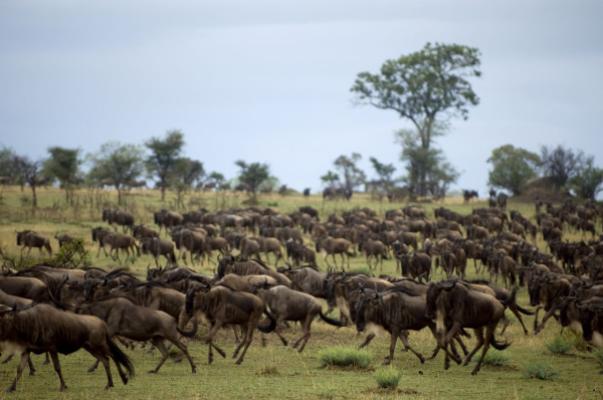
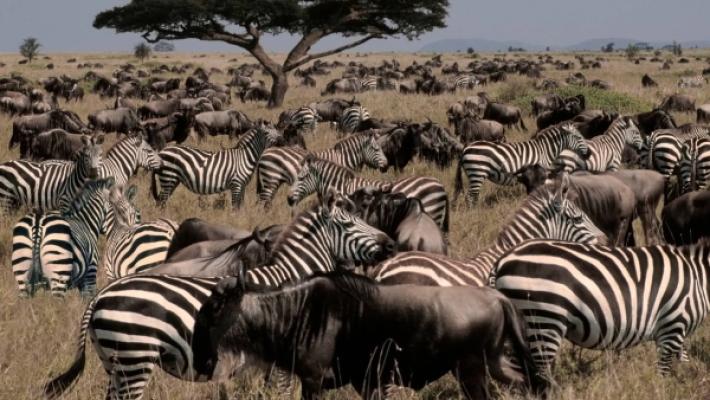
Between July and October, huge columns of wildebeest and zebra gather on the riverbanks around Kogatende and the Lamai Triangle, before plunging into the water in a chaos of dust and spray while Nile crocodiles wait below. Crossings can happen several times a day or not at all for days, as the herds move back and forth across the river following the rain and fresh grazing. Patience, an experienced guide and a well-placed camp make all the difference.
Beyond the Crossings
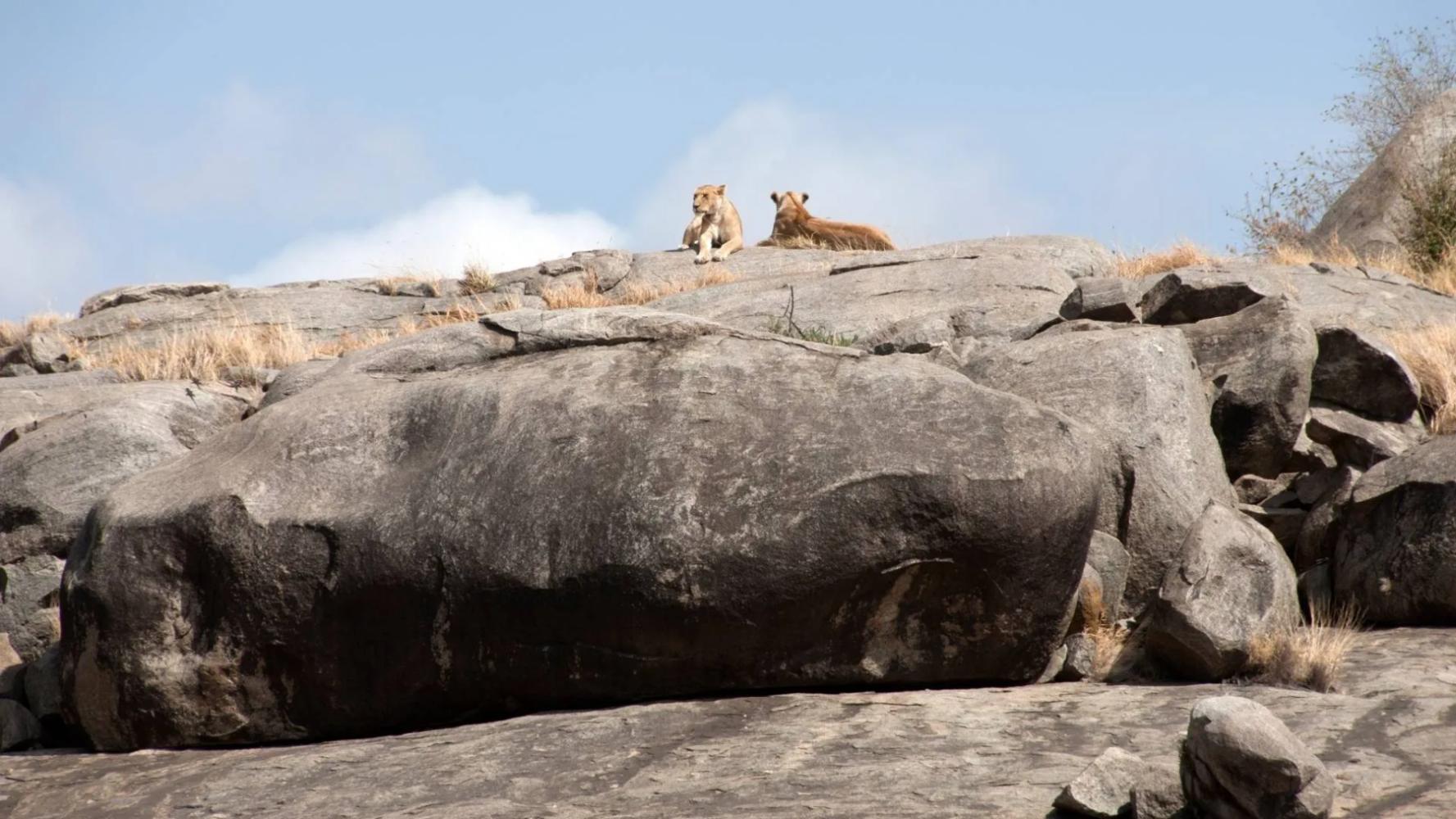
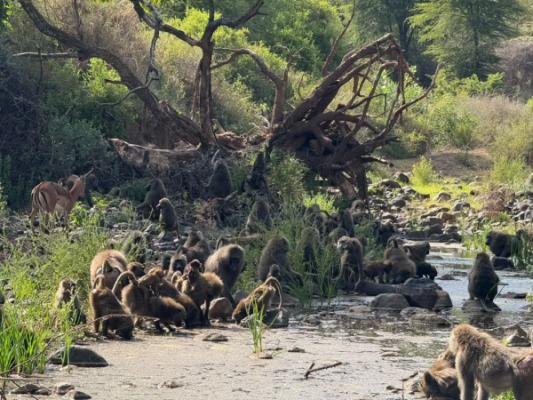
The north also has excellent resident wildlife, including lions, leopards, cheetahs, elephants, buffalo and giraffes, and outside the migration months it offers peaceful game drives with hardly another vehicle in sight. The Lamai Triangle, between the Mara River and the Kenyan border, is one of the least visited corners of the Serengeti.
Getting There
The Northern Serengeti is best reached by a scheduled flight to Kogatende airstrip, around two hours from Arusha. By road, it is a long day's drive north from the Central Serengeti, so we usually combine the two areas with a flight in one direction.
Where It Is
Northern Serengeti on the Map
Why Go
Highlights of Northern Serengeti
- Mara River crossingsWildebeest and zebra braving crocodile-filled waters between July and October.
- The Lamai TriangleA remote wedge of wilderness between the Mara River and the Kenyan border.
- Fewer vehiclesA quieter, more exclusive safari than the busier parts of the park.
- Predator actionLions, leopards, cheetahs and hyenas following the migrating herds.
- Riverine landscapesRolling hills, forest-fringed rivers and wide open plains.
- Balloon safarisHot-air balloon flights over the migration herds during the crossing season.
Signature Journeys
Northern Serengeti Safaris
Where to Stay
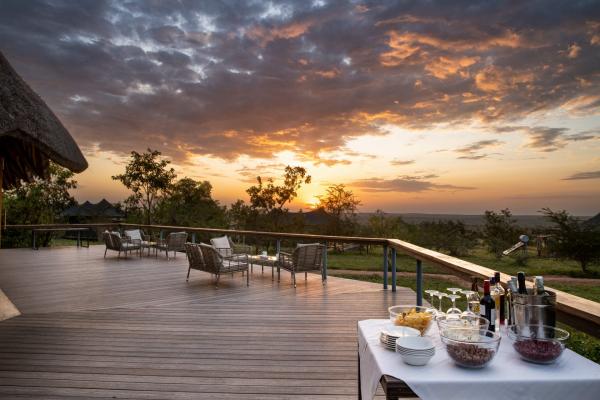
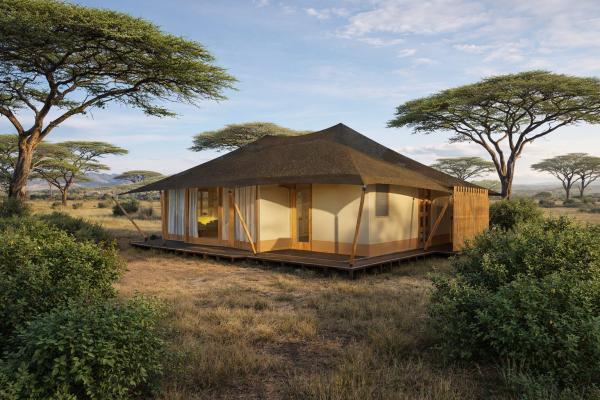
Lodges & Camps in Northern Serengeti

Good to Know
Northern Serengeti FAQs
When can I see the Mara River crossings? +
The crossings usually take place between July and October, with August and September often the most active months. The herds cross back and forth many times, and the exact timing depends on the rainfall each year.
Is a river crossing guaranteed? +
No crossing can be guaranteed, as it depends entirely on the animals. Staying at least three nights near the Mara River, with a guide who knows the crossing points, gives you the best possible chance.
How do I get to the Northern Serengeti? +
Most guests fly from Arusha, or from another Serengeti airstrip, to Kogatende. Driving is possible but takes most of a day from the Central Serengeti.
Is the Northern Serengeti worth visiting outside the migration? +
Yes. It has good resident wildlife and far fewer visitors, which makes it ideal for travellers who want a remote, crowd-free safari, especially from November to June.
Keep Exploring
More Tanzania Destinations
Plan Your Northern Serengeti Safari
Tell us when you'd like to travel and what you'd love to see — we'll design a private itinerary around Northern Serengeti.
Plan Your Safari

