
Mount Kilimanjaro
5,895 m 19,341 ft
The Roof of Africa: the highest free-standing mountain in the world.
Photo: Ray in Manila, CC BY 2.0
- Summit
- Uhuru Peak, 5,895 m (19,341 ft)
- Routes
- Seven, from 5 to 9 days
- Best months
- January–early March, June–October
- Type
- Dormant volcano, three cones
- Nearest airport
- Kilimanjaro International (JRO)
About the Mountain
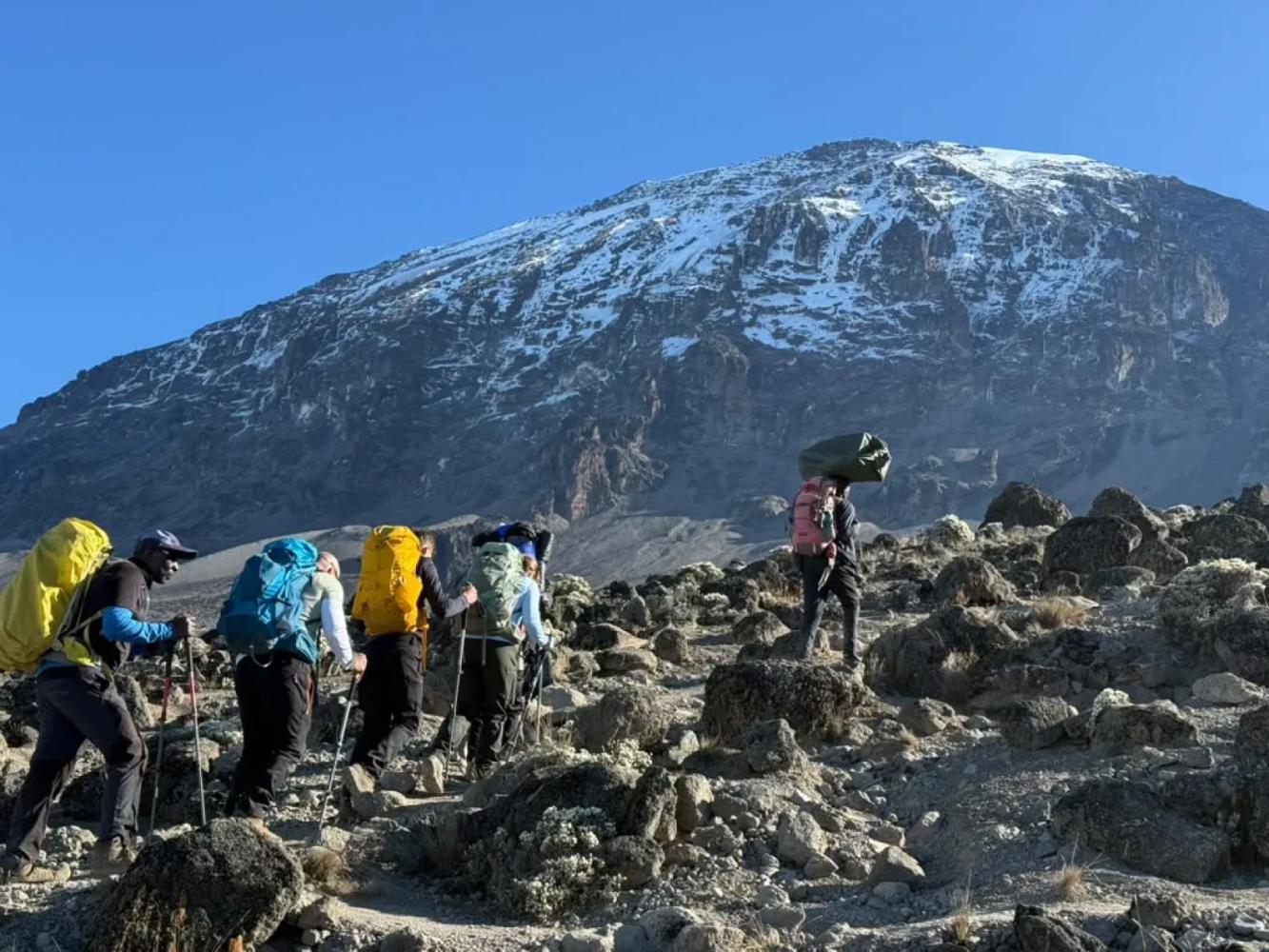
Mount Kilimanjaro rises from the plains of northern Tanzania to 5,895 m (19,341 ft) at Uhuru Peak. It is the highest mountain in Africa, one of the Seven Summits, and the tallest free-standing mountain in the world: it is not part of a range, but a single volcanic massif standing almost five kilometres above the surrounding savannah.
Three Volcanoes, One Mountain
Kilimanjaro is made of three volcanic cones. Shira, the oldest, collapsed long ago and is now a high plateau on the western side. Mawenzi (5,149 m) is a jagged, eroded peak to the east. Kibo, the youngest and highest, holds the summit crater and the last of Kilimanjaro's glaciers. Kibo is dormant, not extinct: fumaroles still steam in its inner crater.
Five Climate Zones
A climb of Kilimanjaro is often compared to walking from the equator to the Arctic. You start in the farmland of the lower slopes, enter montane rainforest at about 1,800 m, emerge onto heath and moorland around 2,800 m, cross an alpine desert above 4,000 m and finish in the arctic zone of rock and ice above 5,000 m. At the summit the air holds about half the oxygen it does at sea level.
Do You Need Climbing Experience?
No. Every standard route is a walk, with a short scramble on the Barranco Wall on some routes. What makes Kilimanjaro hard is altitude, not terrain, and the best way to deal with altitude is time. The single most reliable way to improve your chance of reaching Uhuru Peak is to choose a route of seven days or more.
How We Climb
Our Kilimanjaro climbs use a crew of five per trekker instead of the usual three, four-season mountaineering tents, a personal chef, and a private toilet and shower tent for your group. Where the route allows, we summit from Kosovo Camp at 4,800 m, a permit-only camp above the usual high camp that shortens summit night by about an hour.
Kilimanjaro National Park
The mountain has been a national park since 1973 and a UNESCO World Heritage Site since 1987. All climbs must be made with a licensed guide, and every climber registers at the park gate. The nearest airport is Kilimanjaro International Airport (JRO), between Arusha and Moshi.
Choose Your Route
7 Routes up Mount Kilimanjaro
Each route has its own guide with a map of the trail, the camps and their altitudes, and a day-by-day plan.
 6–7 days
We climb this
6–7 days
We climb this
The "Whiskey" Route
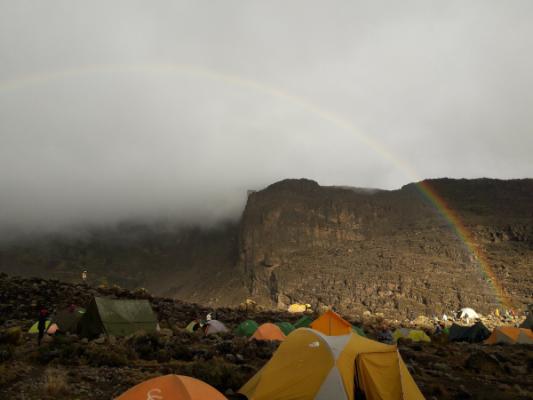
Machame Route
Kilimanjaro's most popular route: rainforest, the Lava Tower and the Barranco Wall.
- Distance
- 62 km
- Difficulty
- Challenging
- Sleeping
- Camping
- Crowds
- Busy
 7–8 days
We climb this
7–8 days
We climb this
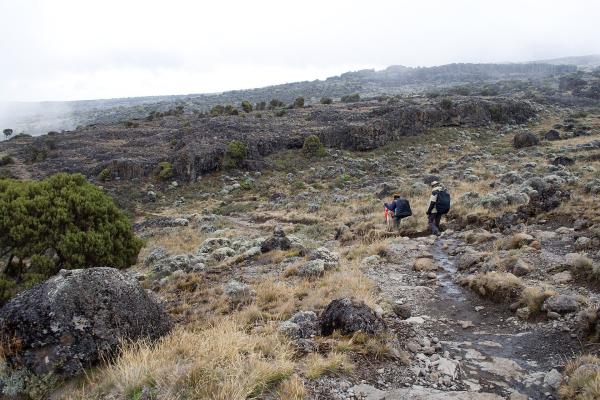
Lemosho Route
The most beautiful way up: a quiet western start across the Shira Plateau.
- Distance
- 70 km
- Difficulty
- Challenging
- Sleeping
- Camping
- Crowds
- Moderate traffic
 5–6 days
The "Coca-Cola" Route
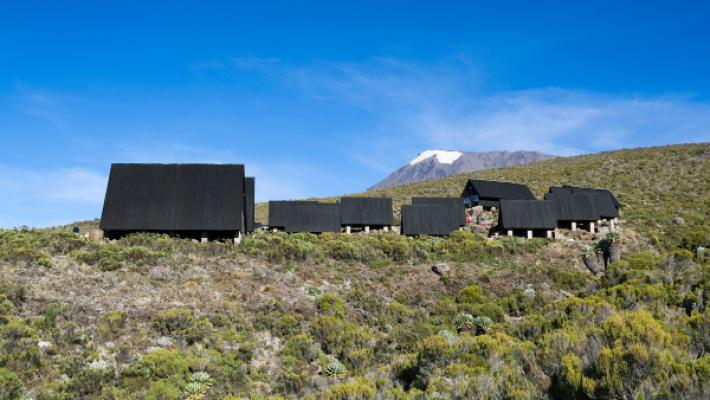
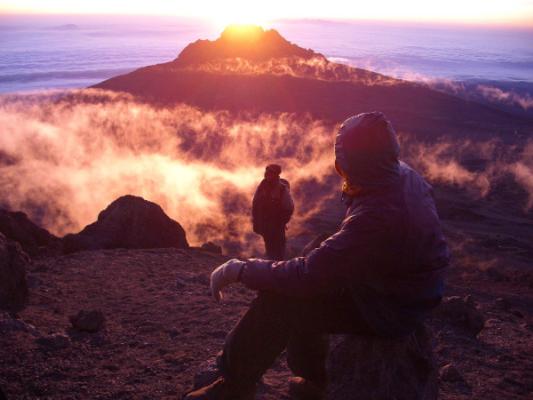
Marangu Route
The only Kilimanjaro route with mountain huts instead of tents.
- Distance
- 72 km
- Difficulty
- Moderate
- Sleeping
- Mountain huts
- Crowds
- Busy
 6–7 days
We climb this
6–7 days
We climb this
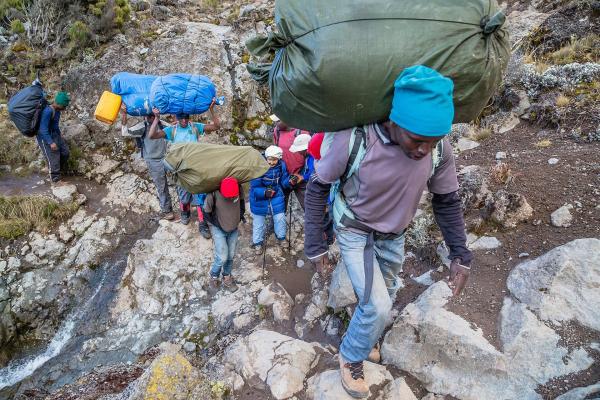
Rongai Route
The quiet northern approach, from the Kenyan border side.
- Distance
- 73 km
- Difficulty
- Moderate
- Sleeping
- Camping
- Crowds
- Quiet
 6–7 days
We climb this
6–7 days
We climb this
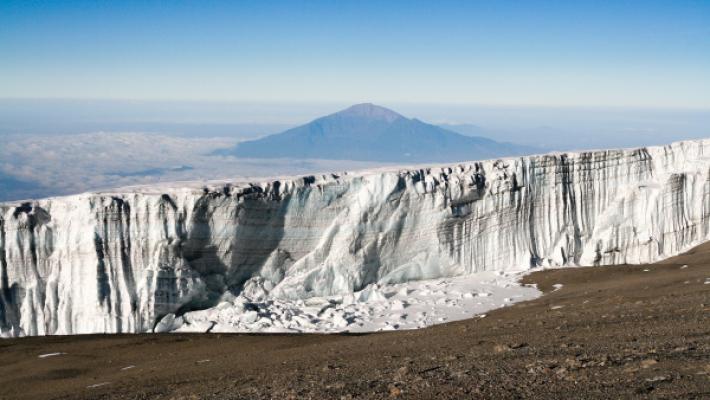
Umbwe Route
The steepest, most direct route up Kilimanjaro.
- Distance
- 53 km
- Difficulty
- Strenuous
- Sleeping
- Camping
- Crowds
- Quiet
 8–9 days
We climb this
8–9 days
We climb this
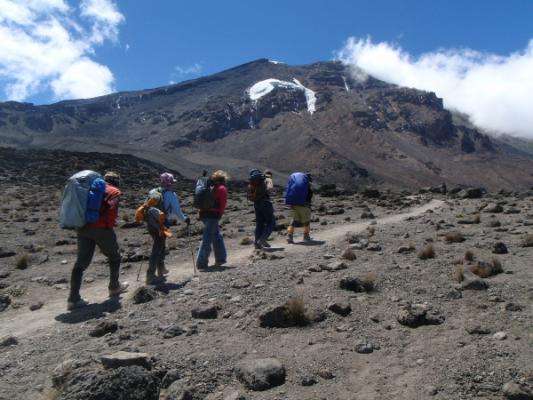
Northern Circuit Route
The longest route, circling Kibo's quiet northern slopes.
- Distance
- 98 km
- Difficulty
- Challenging
- Sleeping
- Camping
- Crowds
- Quiet
 6–7 days
Shira Route
A high start on the Shira Plateau, by 4x4 to 3,400 m.
- Distance
- 56 km
- Difficulty
- Demanding
- Sleeping
- Camping
- Crowds
- Quiet
Side by Side
Compare the Mount Kilimanjaro Routes
| Route | Days | Distance | Difficulty | Sleeping | Crowds | Starts at |
|---|---|---|---|---|---|---|
| Machame Route | 6–7 | 62 km | Challenging | Camping | Busy | Machame Gate (1,800 m) |
| Lemosho Route | 7–8 | 70 km | Challenging | Camping | Moderate traffic | Lemosho trailhead (2,100 m), via Londorossi Gate |
| Marangu Route | 5–6 | 72 km | Moderate | Mountain huts | Busy | Marangu Gate (1,860 m) |
| Rongai Route | 6–7 | 73 km | Moderate | Camping | Quiet | Rongai (Nalemoru) Gate (1,950 m) |
| Umbwe Route | 6–7 | 53 km | Strenuous | Camping | Quiet | Umbwe Gate (1,640 m) |
| Northern Circuit Route | 8–9 | 98 km | Challenging | Camping | Quiet | Lemosho trailhead (2,100 m), via Londorossi Gate |
| Shira Route | 6–7 | 56 km | Demanding | Camping | Quiet | Morum Barrier, Shira Plateau (3,407 m) |
Map
Map of the Mount Kilimanjaro Routes
Press a route on the map or in the list to highlight it, then open its guide.
Our Climbs
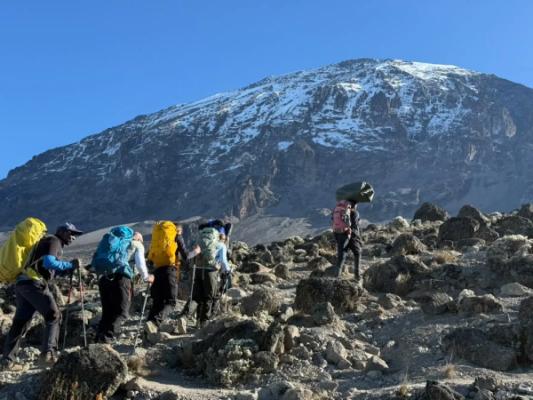
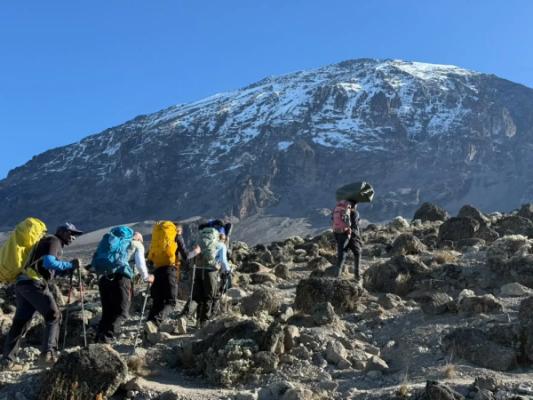
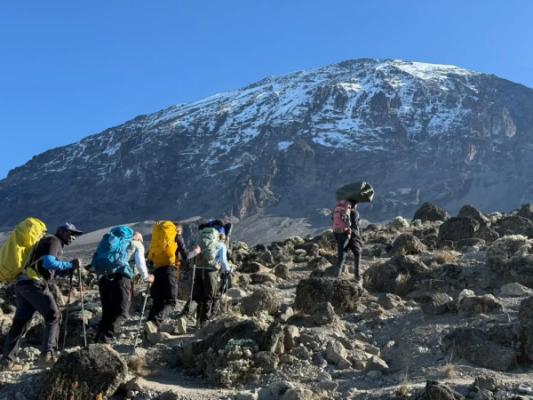
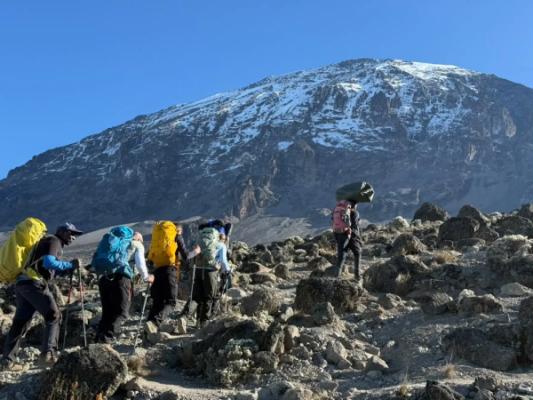
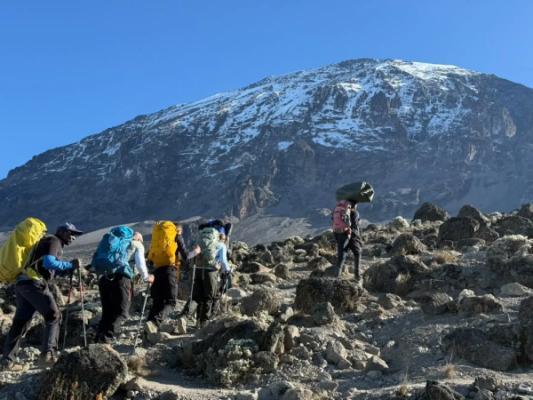
Ready-to-Book Mount Kilimanjaro Climbs
Good to Know
Mount Kilimanjaro: Frequently Asked Questions
How long does it take to climb Kilimanjaro? +
Between five and nine days on the mountain, depending on the route. We recommend at least seven days: the extra time to acclimatise greatly improves your chance of reaching the summit.
Which Kilimanjaro route is best? +
For most climbers the eight-day Lemosho Route offers the best balance of scenery, quiet trails and summit success. Machame is the classic seven-day choice, the Northern Circuit has the best acclimatisation, Rongai is the quietest and driest, and Marangu is the only route with huts.
Do I need technical climbing skills for Kilimanjaro? +
No. All the standard routes are walks, with a short scramble on the Barranco Wall on the southern routes. You do need good general fitness and enough days to acclimatise.
When is the best time to climb Kilimanjaro? +
The drier months: January to early March, and June to October. The mountain can be climbed all year, but April, May and November are the wettest months.
How high is Kilimanjaro? +
Uhuru Peak, the summit, is 5,895 m (19,341 ft) above sea level. It is the highest point in Africa and the highest free-standing mountain in the world.
Keep Exploring
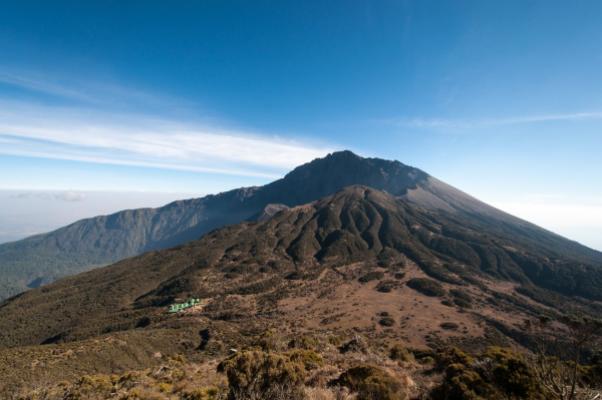
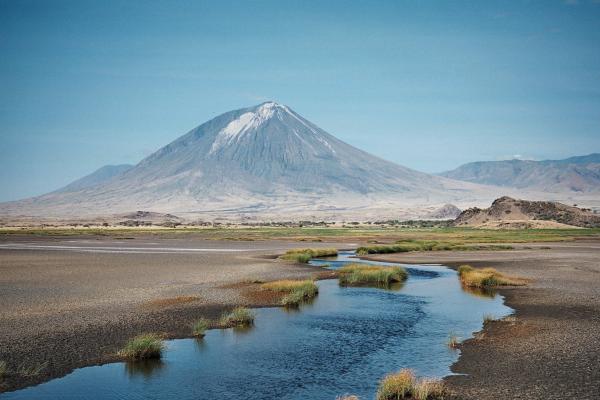
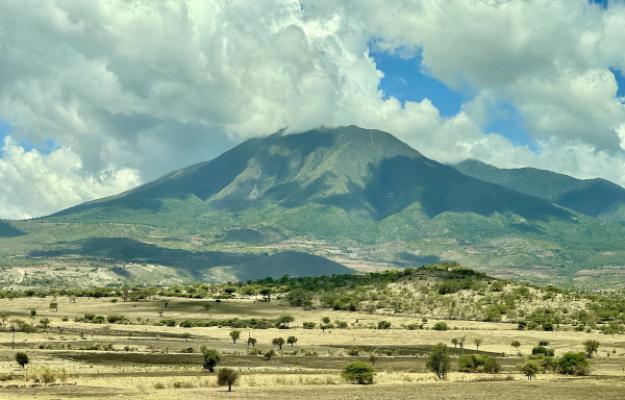
More Mountains in Tanzania
Ready to Climb Mount Kilimanjaro?
Tell us your dates, your fitness and what you want to see. We will recommend the mountain and route that give you the best chance of a great climb.
Plan Your Safari