
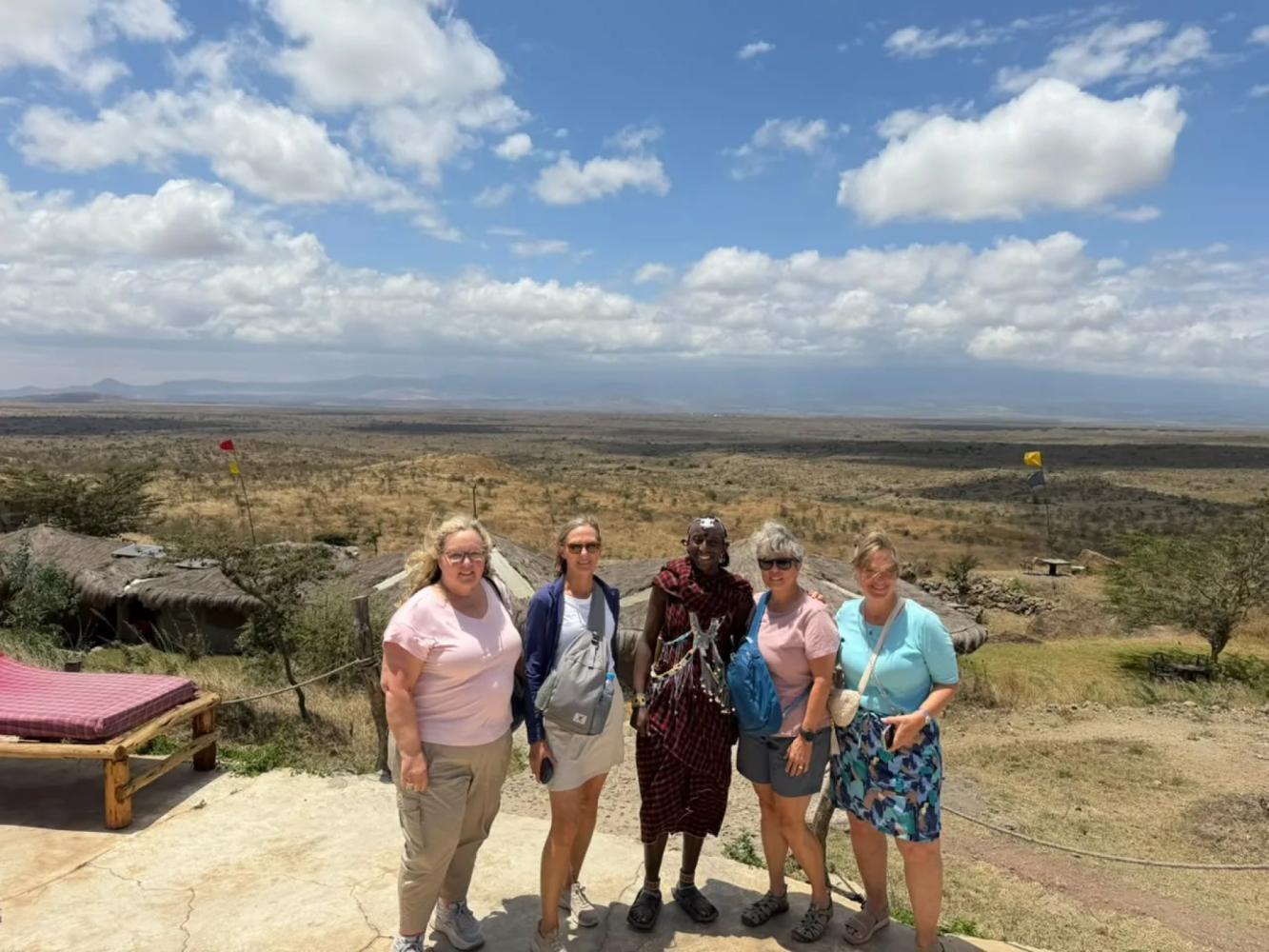
The Maasai are the best-known people of East Africa, and on a northern Tanzania safari you will see them everywhere: herding cattle on the plains below Kilimanjaro, walking the rim of the Ngorongoro Crater in red and blue shukas, and selling beadwork in the market at Mto wa Mbu. They live across northern Tanzania and southern Kenya and speak Maa, a Nilotic language; most also speak Swahili.
Cattle at the heart of life
Traditional Maasai life revolves around cattle, which are a family’s wealth, its food and the measure of its standing. Milk is the everyday food; meat is eaten on special occasions, and blood mixed with milk is taken at ceremonies. Herds move with the rains in search of fresh grazing, and most families also keep goats and sheep. Today many Maasai also farm, trade or work in towns, but cattle remain at the centre of the culture.
The homestead
A family lives in an enkang, a homestead of low, rounded houses that the women build from a frame of poles plastered with mud and cow dung. The houses stand in a circle inside a fence of thorny acacia branches, and at night the cattle are brought into the centre, safe from lions and hyenas.
Age sets and the warriors
Men pass through life in age sets: boys initiated together stay bound to one another for life. As young men they become ilmurran, the warriors, who once defended the herds and still carry spears and wear their long hair dyed with red ochre. Three ceremonies mark the way, and UNESCO recognised them in 2018 as heritage in need of urgent safeguarding: Enkipaata, which prepares boys for initiation; Eunoto, when mothers shave their sons’ heads and the warriors become junior elders; and Olng’esherr, the meat-eating ceremony that opens the way to elderhood. At Eunoto the young men perform the adumu, the famous jumping dance, leaping straight up from a standing start while the others chant.
Red cloth and beadwork
The Maasai are known for the shuka, a red or checked cloth wrapped around the body, and for their beadwork. Women make the collars, earrings and bracelets, and the colours are often said to carry meaning: red for bravery and the blood of cattle, blue for the sky and rain, white for milk and peace, green for the grass and the land. Jewellery shows a person’s age and status, and whether they are married.
Belief
The Maasai believe in one God, Enkai, who has two natures: the black god of rain and plenty, and the red god of drought and anger. Spiritual leaders called laibon advise on ceremonies and are believed to foresee events.
The Maasai and Ngorongoro
The Ngorongoro Conservation Area was created in 1959 as land to be shared by wildlife and Maasai herders, unlike Tanzania’s national parks, where no one may live. Maasai families still graze their cattle there, and you will often pass them on the road to the crater.
Meeting the Maasai with us
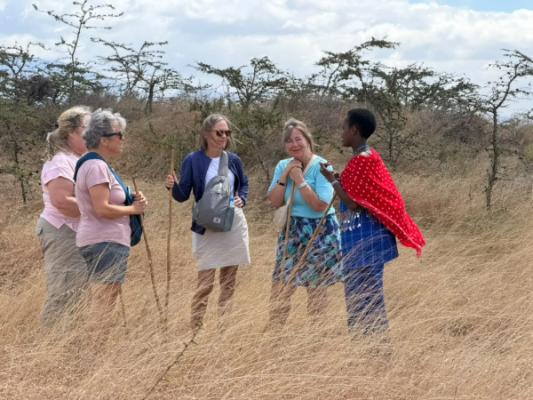
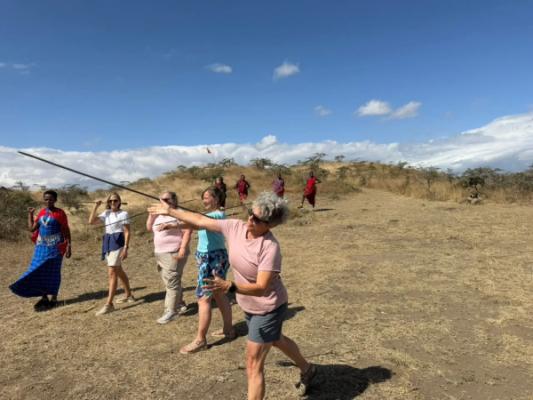
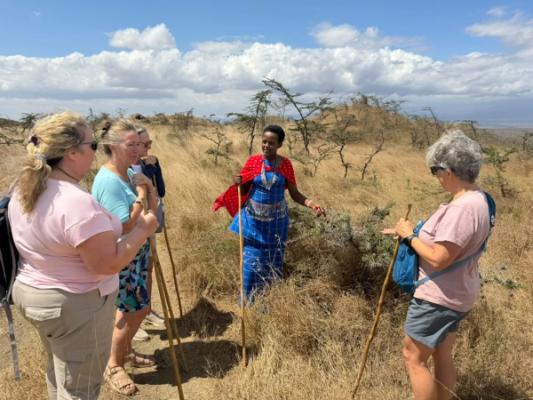
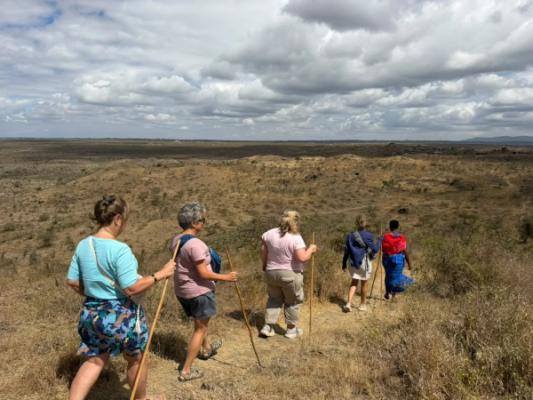
On our safaris you can walk across the plains with Maasai guides, learn how they use the plants of the bush, try throwing a spear with the warriors and visit a homestead, in the West Kilimanjaro area or near the Ngorongoro Crater. Our West Kilimanjaro bike ride ends at the Olpopongi Maasai cultural village.
Gallery
Frequently Asked Questions
Can I take photographs of Maasai people?
Always ask first. On a cultural visit photographs are usually welcome; by the roadside it is polite to ask, and some people may ask for a small payment.
What language do the Maasai speak?
Maa, a Nilotic language. Most Maasai also speak Swahili, and many younger people speak English. A friendly greeting is “Sopa”.
Where can I meet the Maasai on safari?
Around the Ngorongoro Crater, in West Kilimanjaro and on the plains near Arusha and Mto wa Mbu. We arrange visits with the community and a local guide.
